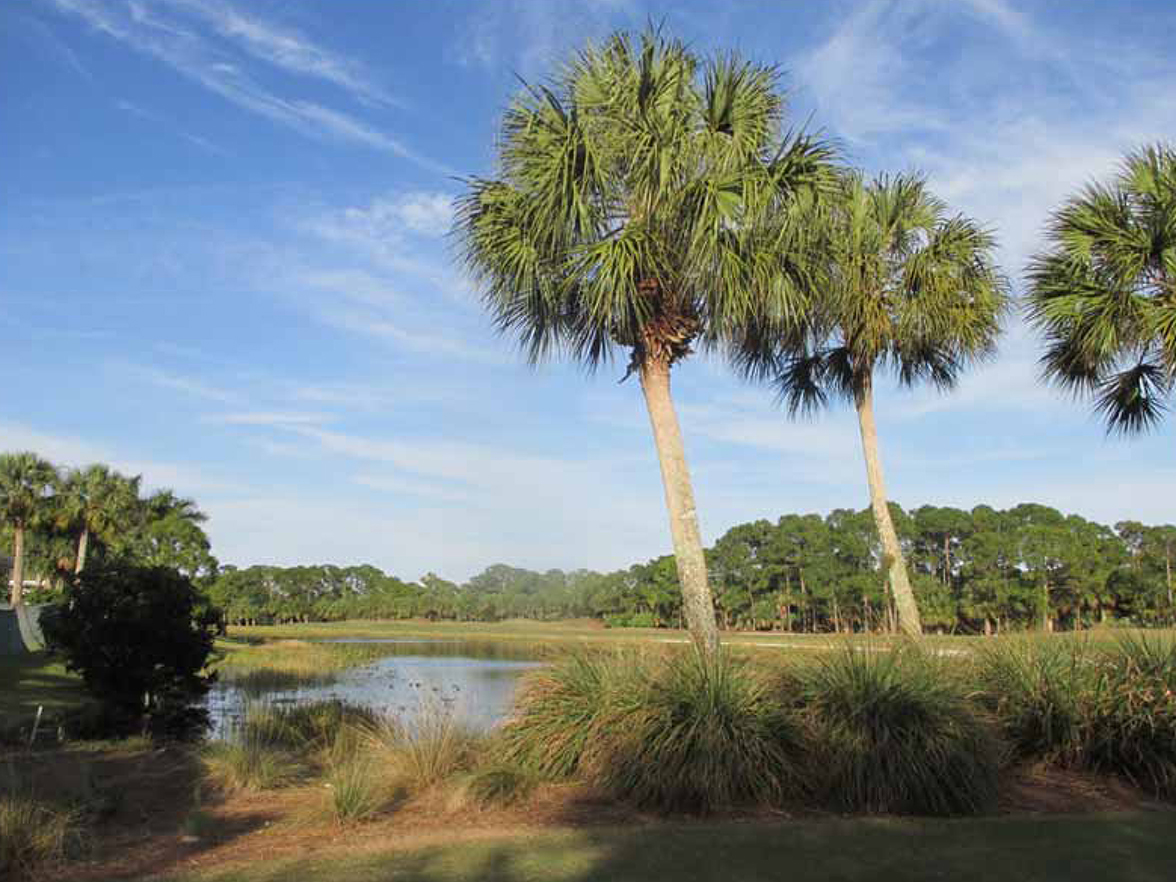
This pond‑side area includes mature palms and large stands of native grasses  along the shoreline, forming a wide vegetated buffer between upland turf and the water’s edge.

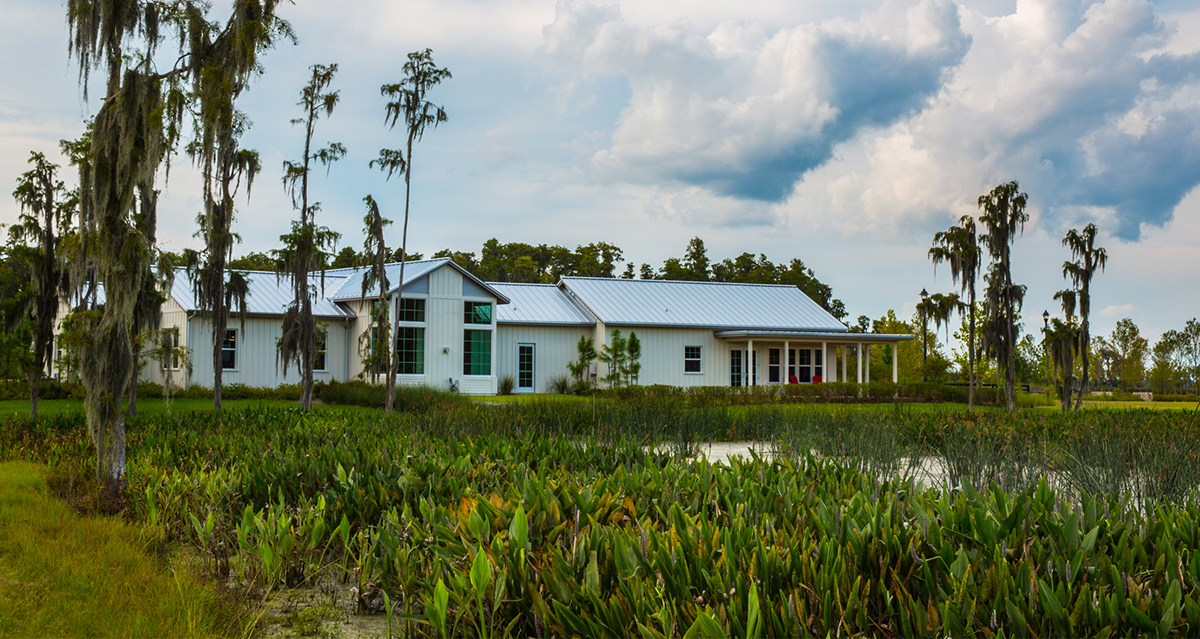
Stormwater pond edged with a naturally vegetated shoreline, including clumps of emergent aquatic plants growing at the water’s edge and a wide band of unmowed grass leading up to it. The tall trees surrounding the pond further stabilize the soil, contribute organic matter, and provide habitat.

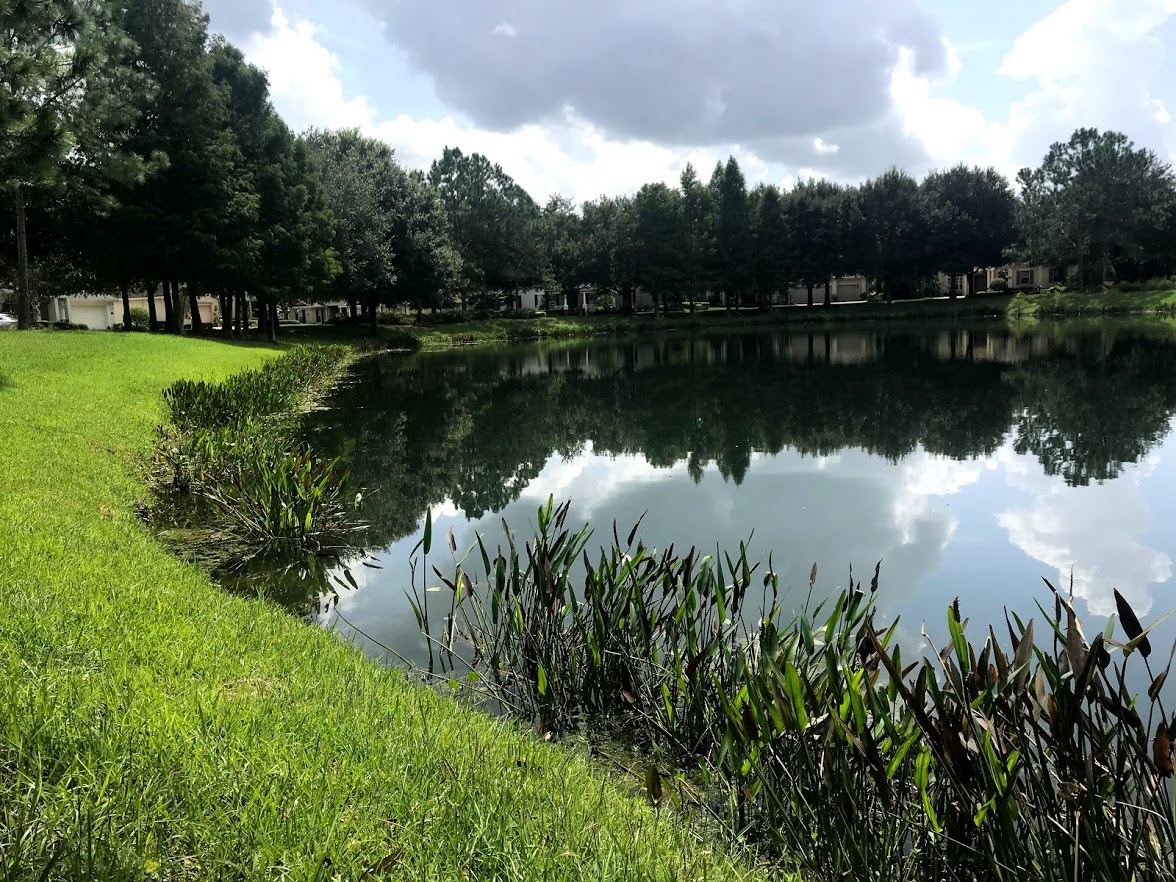
A community common area with a lake bordered by mature cypress trees and a thick planting of emergent and shoreline vegetation. The wide, vegetated buffer helps protect the waterfront by filtering nutrients, sediment, and pollutants before they reach the water, supporting the recommended 10‑foot low‑maintenance zone for landscapes adjacent to water bodies.

Multiuse Stormwater Pond

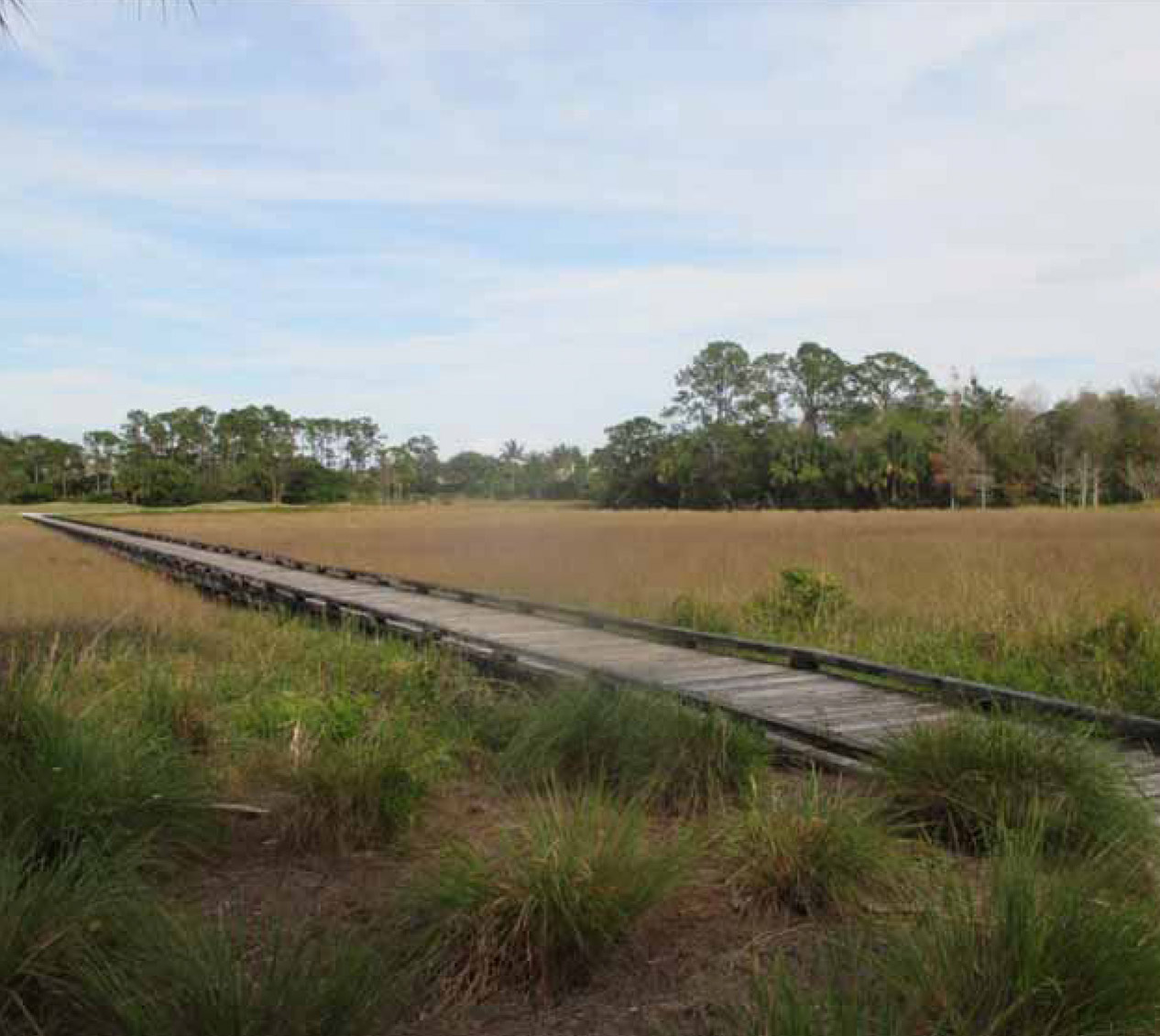
An elevated boardwalk across a broad wetland or marsh area, allowing residents to walk above the native grasses and hydric vegetation without disturbing the soil or water.

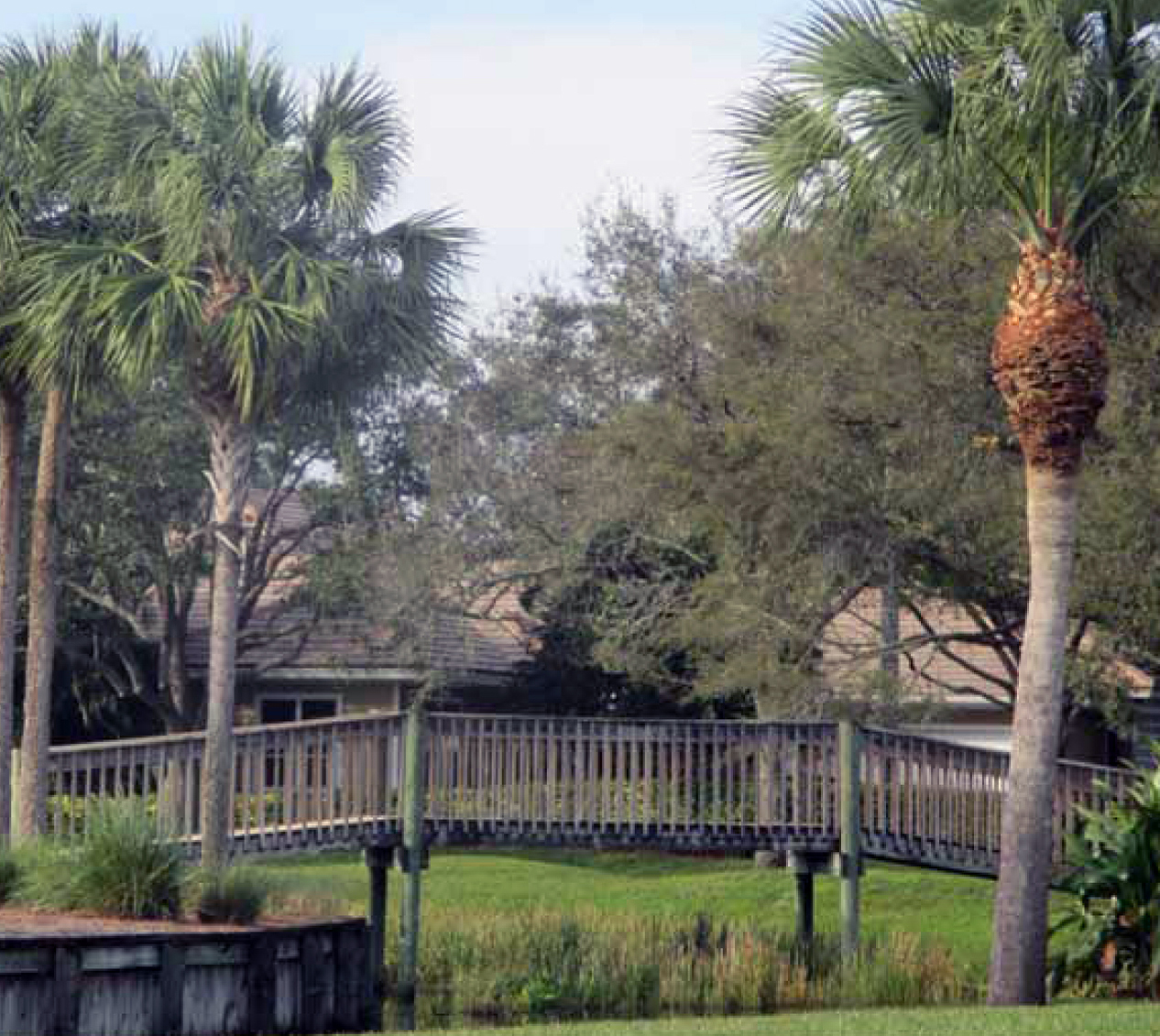
A community common area featuring an elevated bridge‑style boardwalk spanning a small retention pond, allowing residents to enjoy the space without disturbing the shoreline vegetation. Native palms and other trees frame the pond, while dense grasses and aquatic plants grow along the water’s edge.

Multiuse Dry Retention Basin

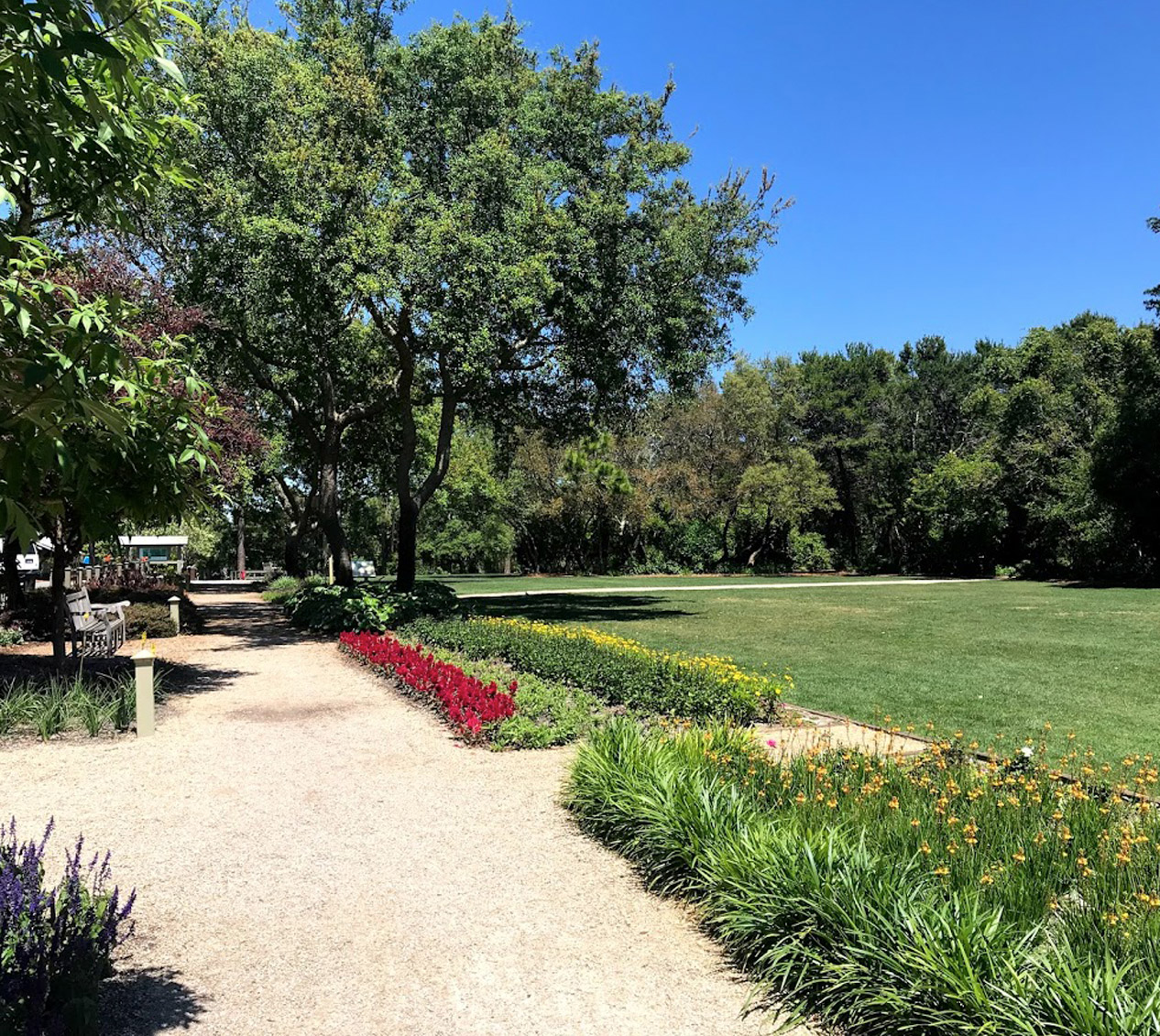
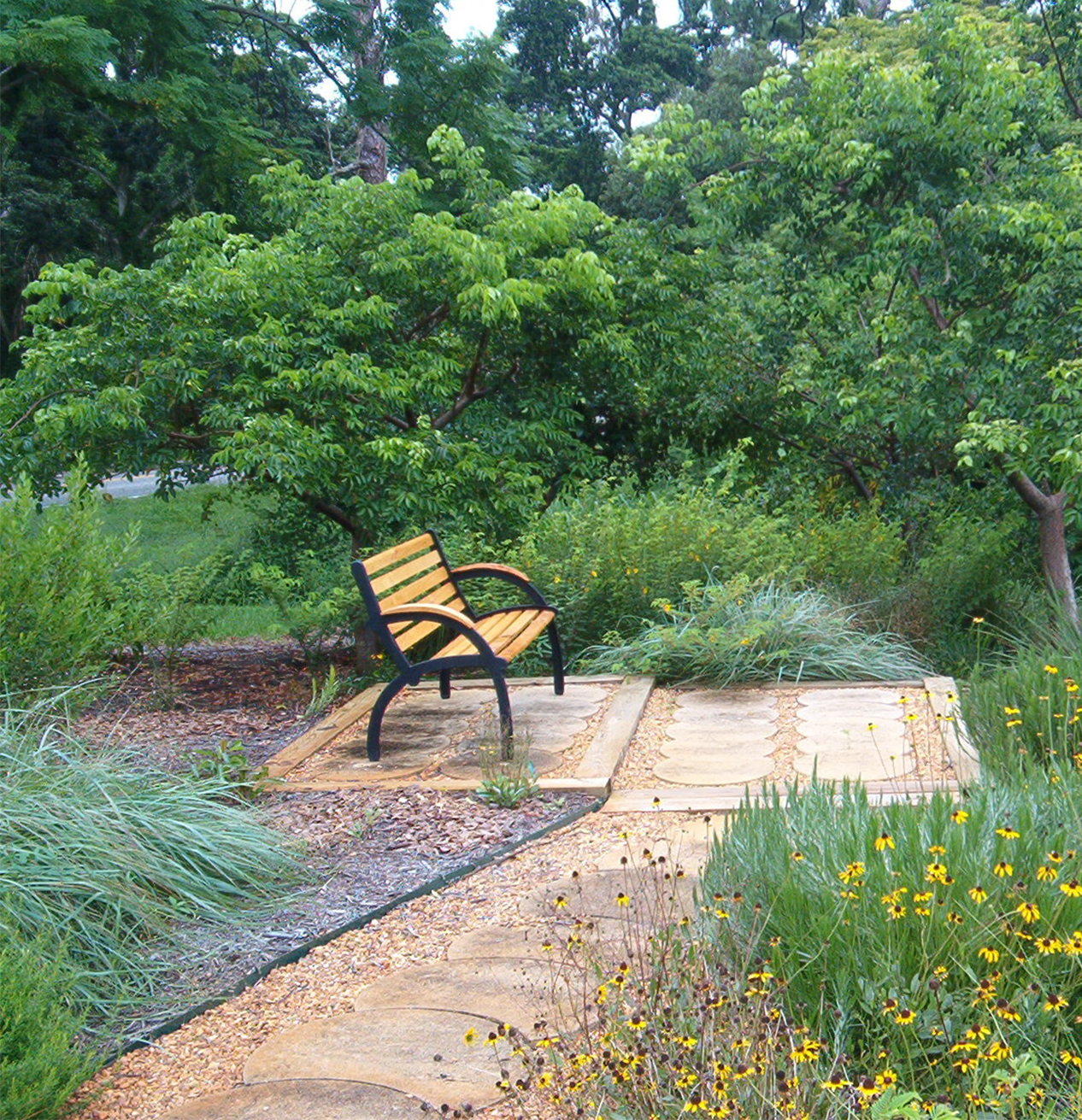
A community garden featuring a path with a bench under large trees. Landscape beds with various plants line the edge of the path, which is next to an open field.

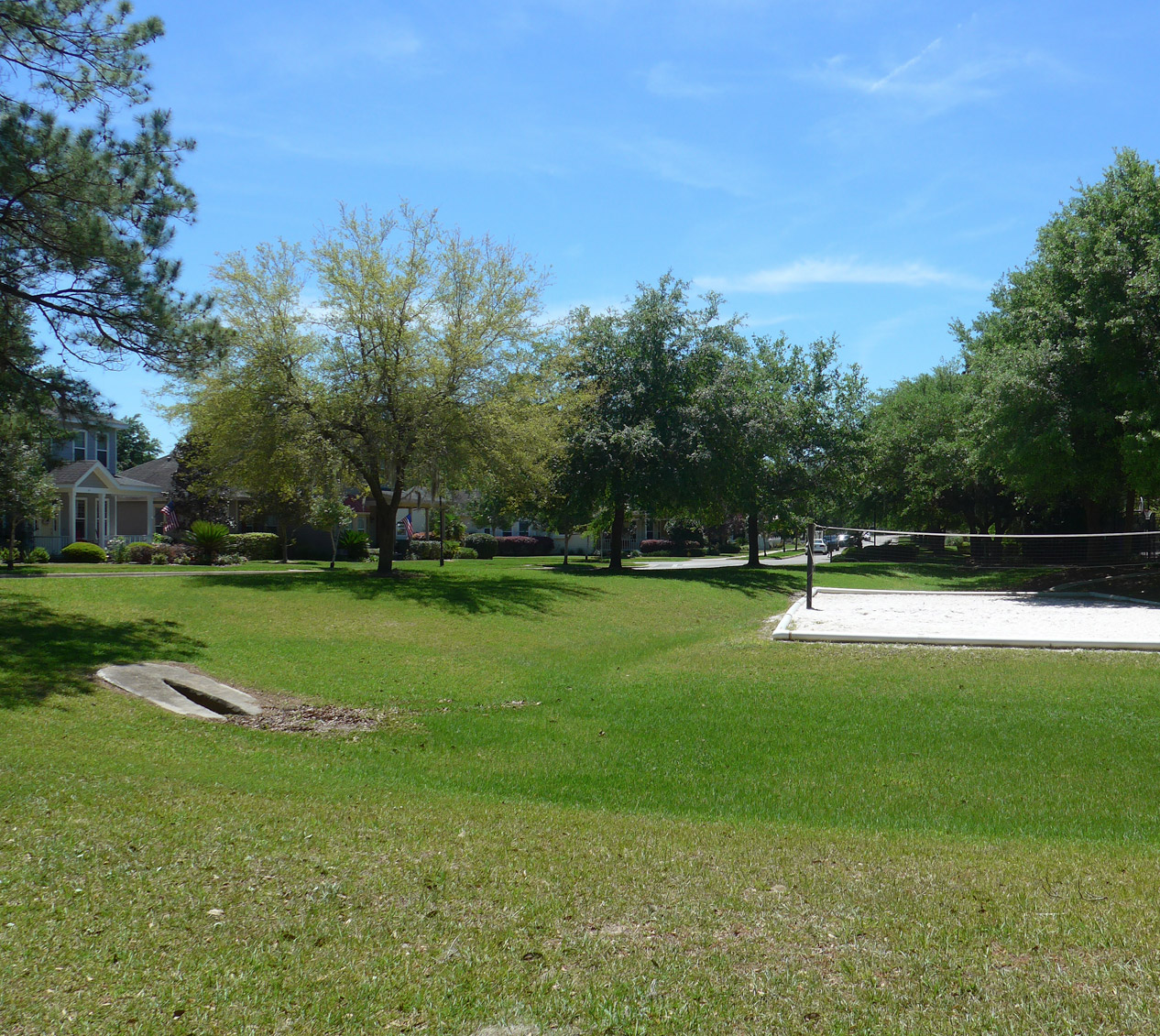
A suburban community featuring a sand volleyball court within a detention pond.

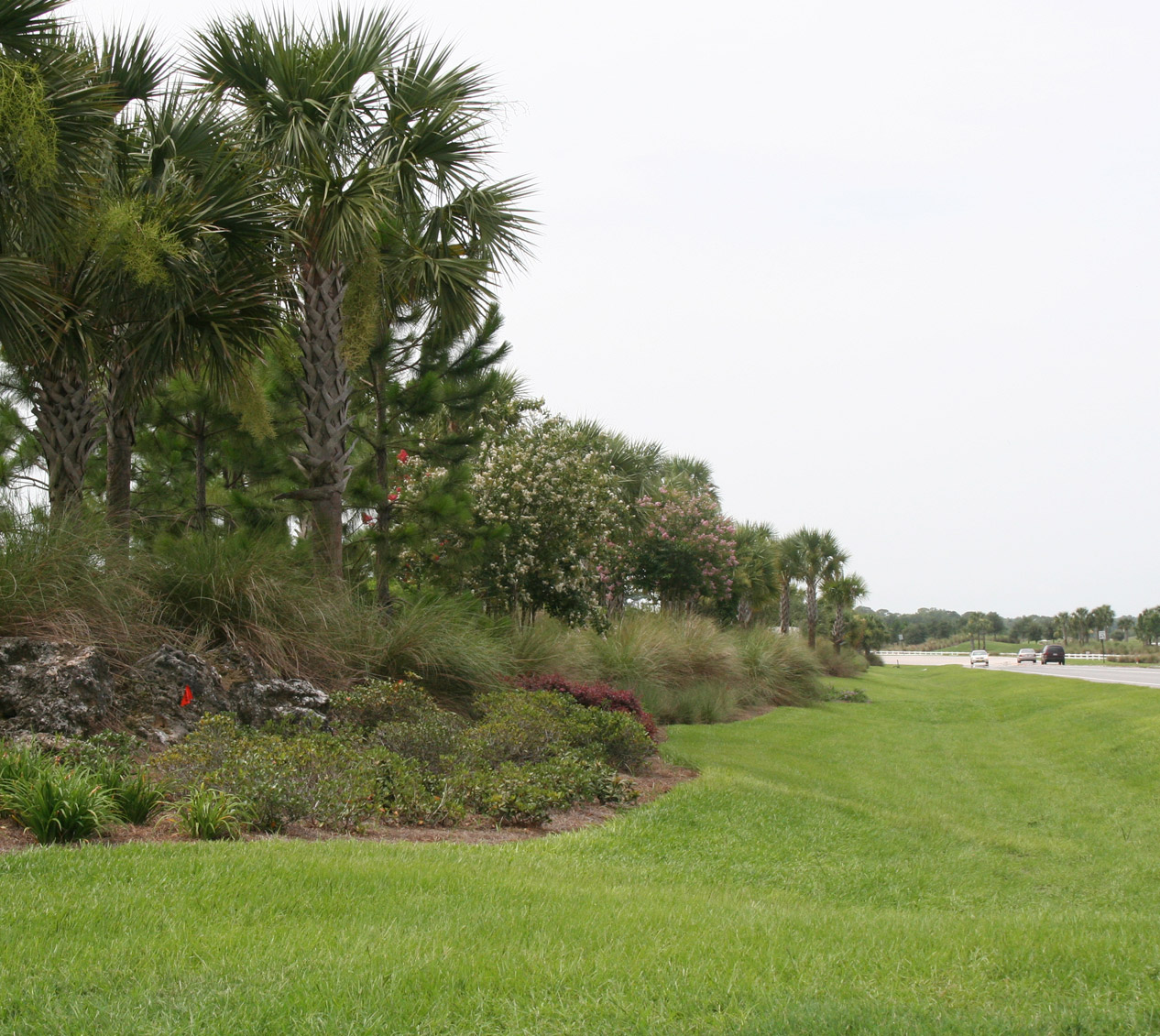
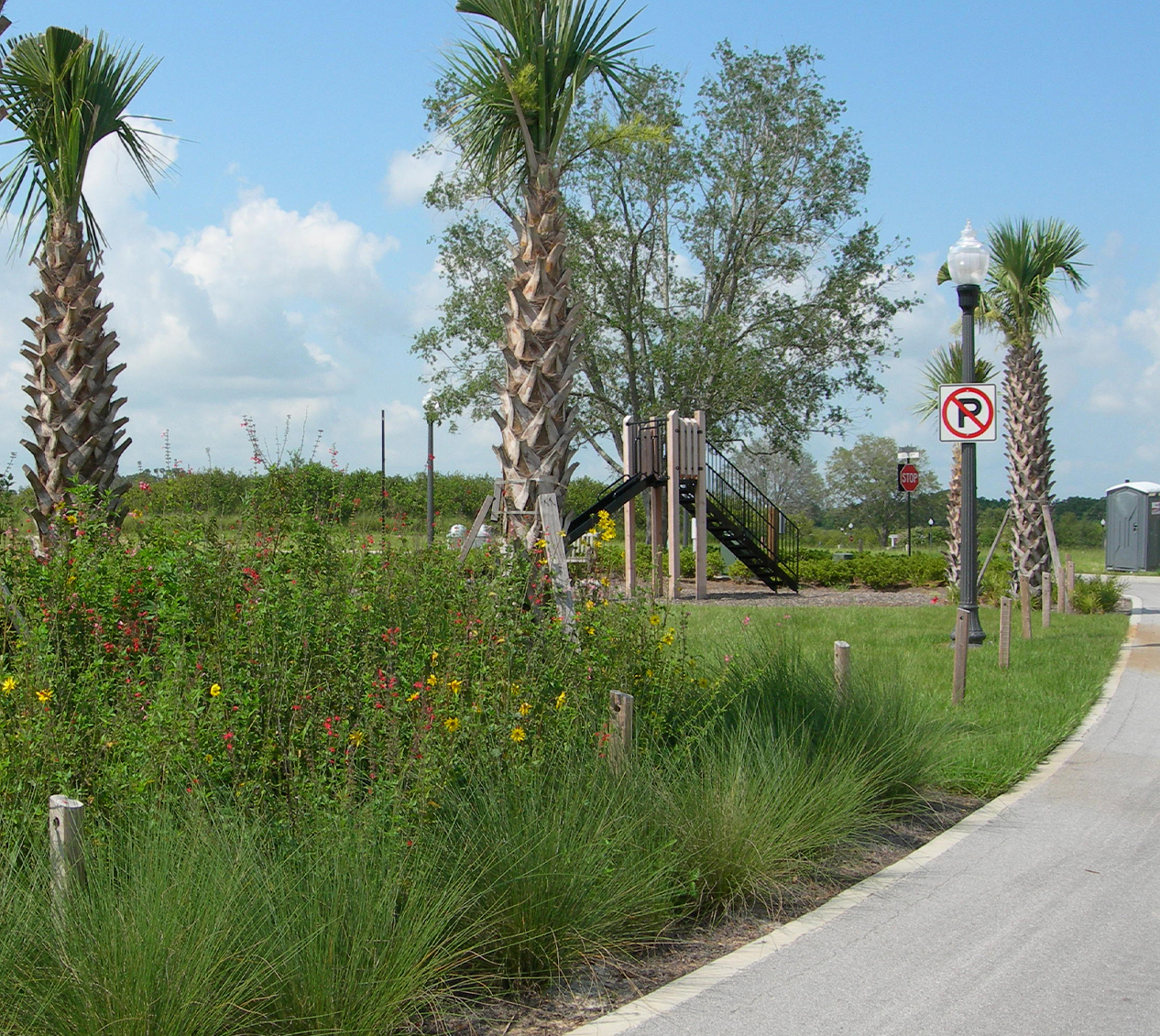
A landscape bed featuring may large palms and flowering trees, ornamental grasses, and groundcovers. This planting beautifies the side of the road where it is located.

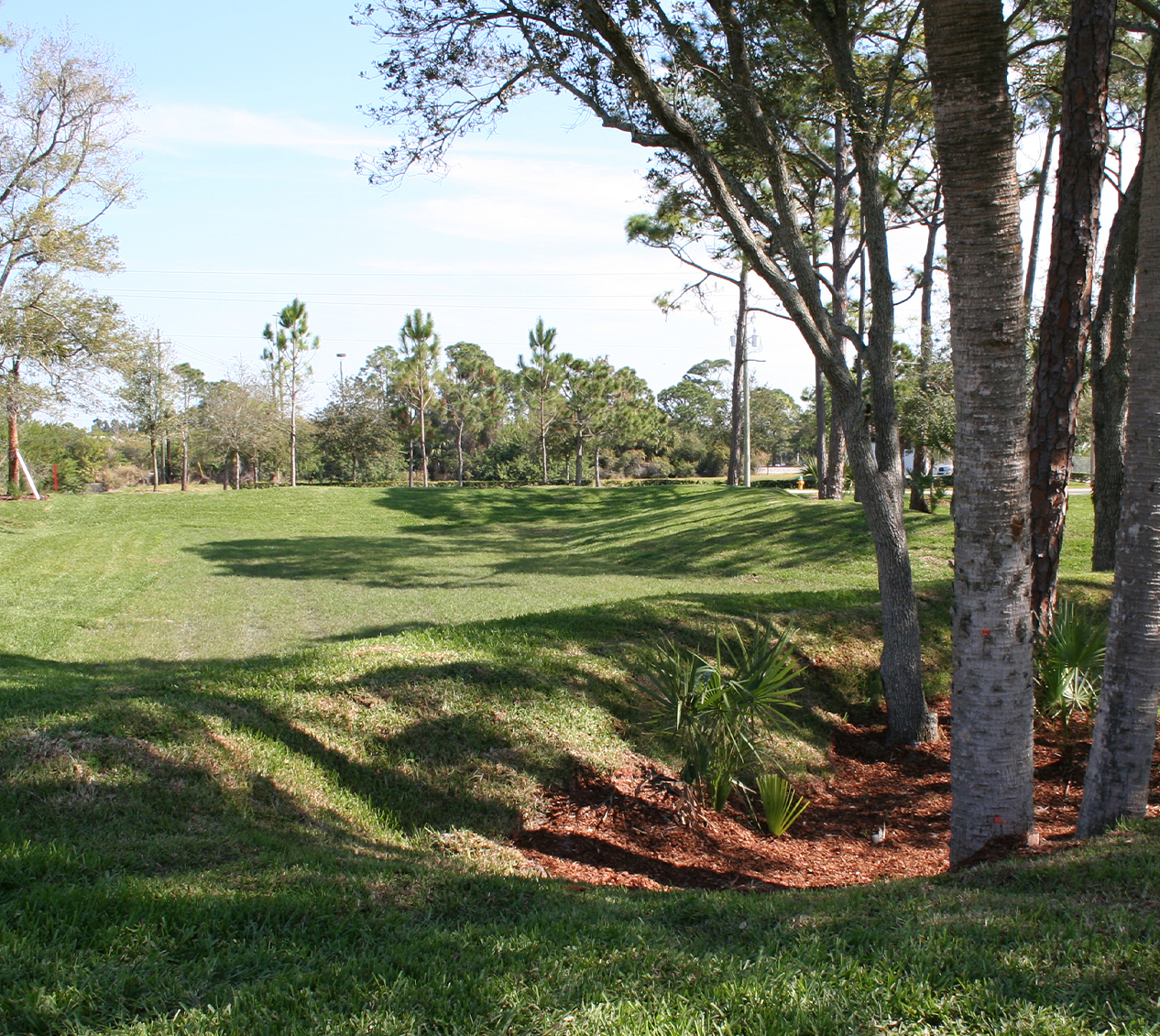
A grassy detention area for water to collect and filter. Trees and shrubs are planted in low areas in the landscape and mulched.

Pervious Walkways

A community landscape featuring a garden with trees, shrubs and wildflowers. A path leads up to a bench in the middle of the garden.

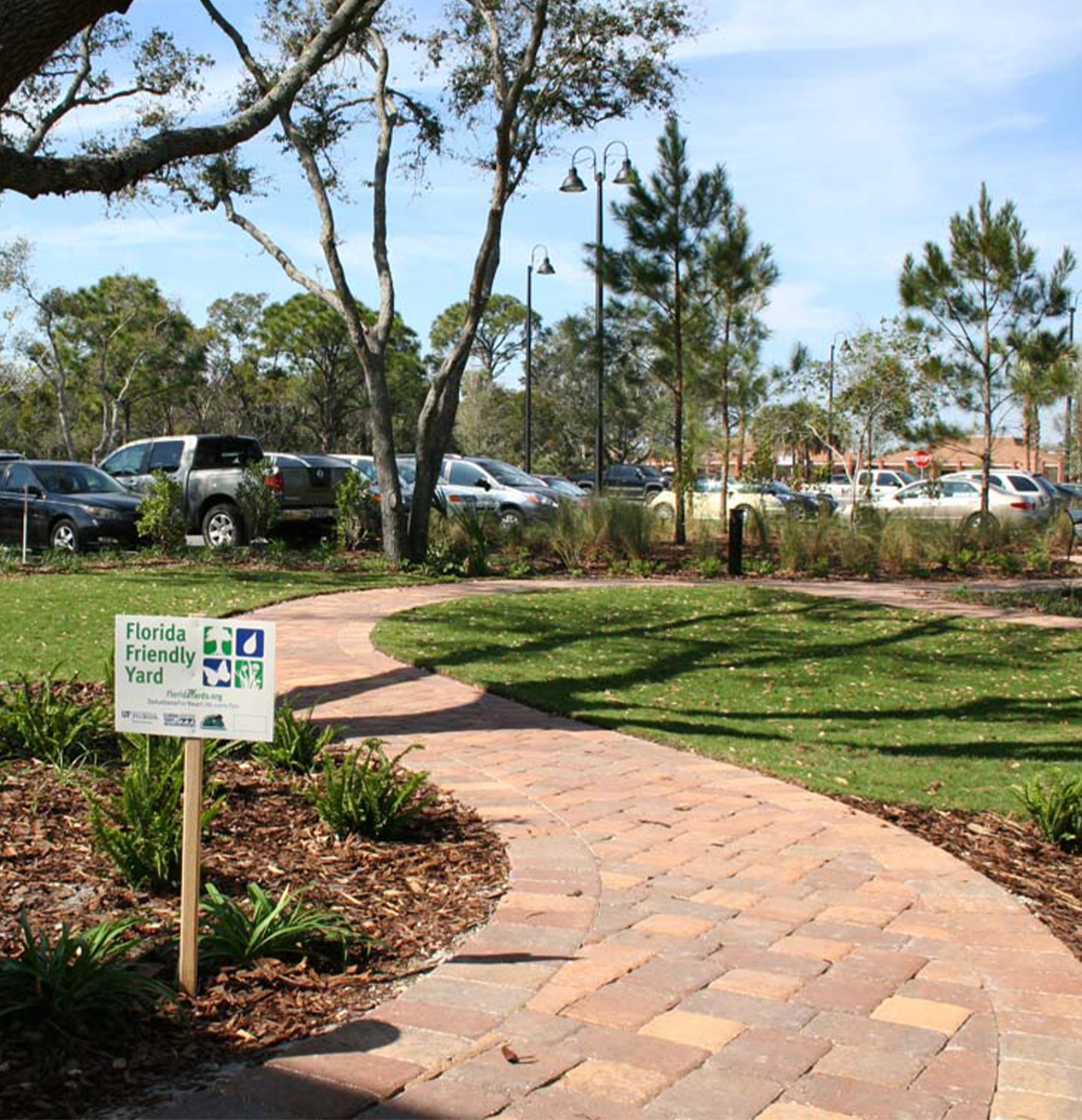
A paved walkway leading to a parking lot featuring trees, a turf area, and landscaping beds with a Florida-Friendly yard sign.

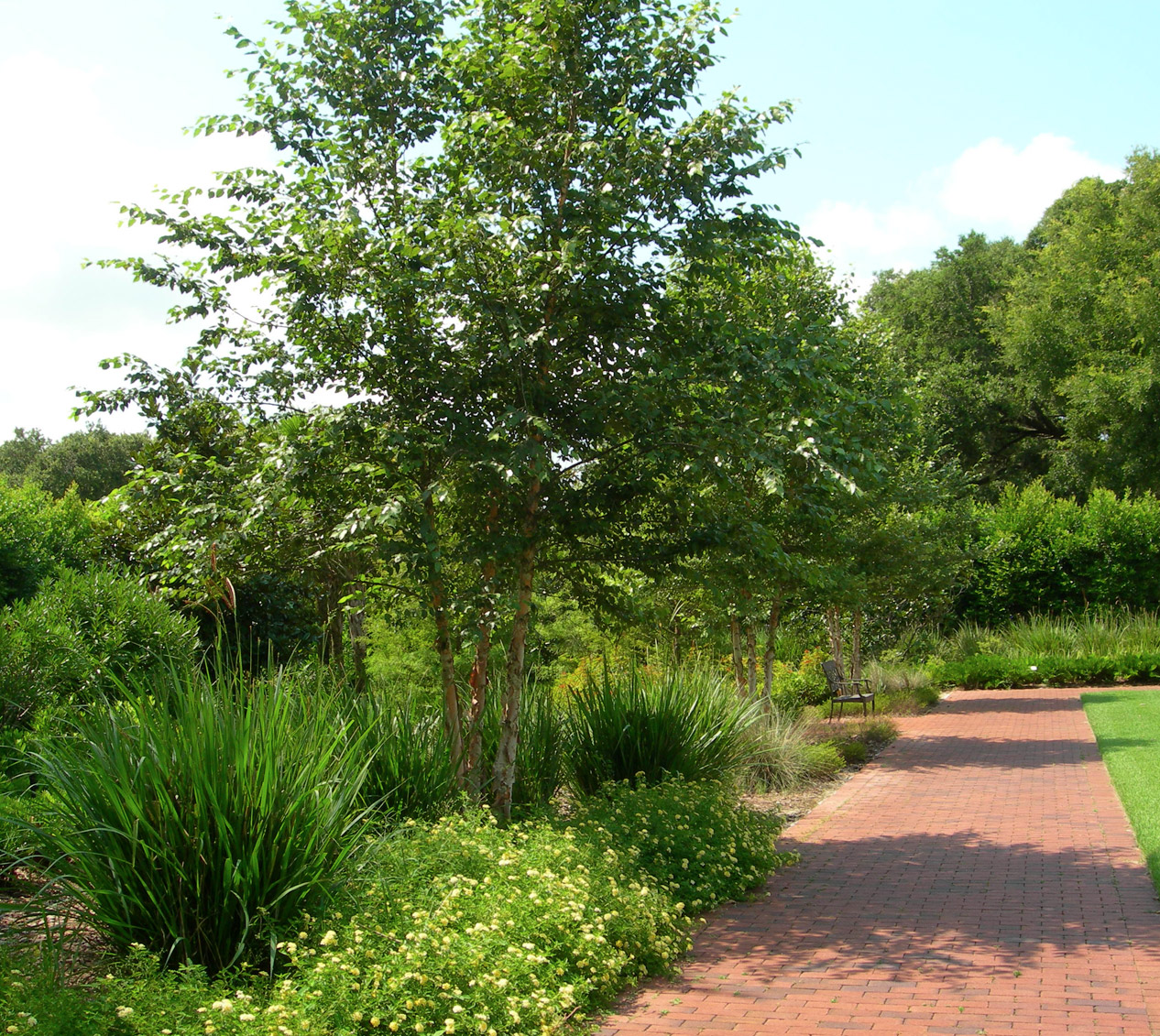
A densly vegitated park area with many large trees, grasses, and flowering shrubs bordering a walkway and a bench.

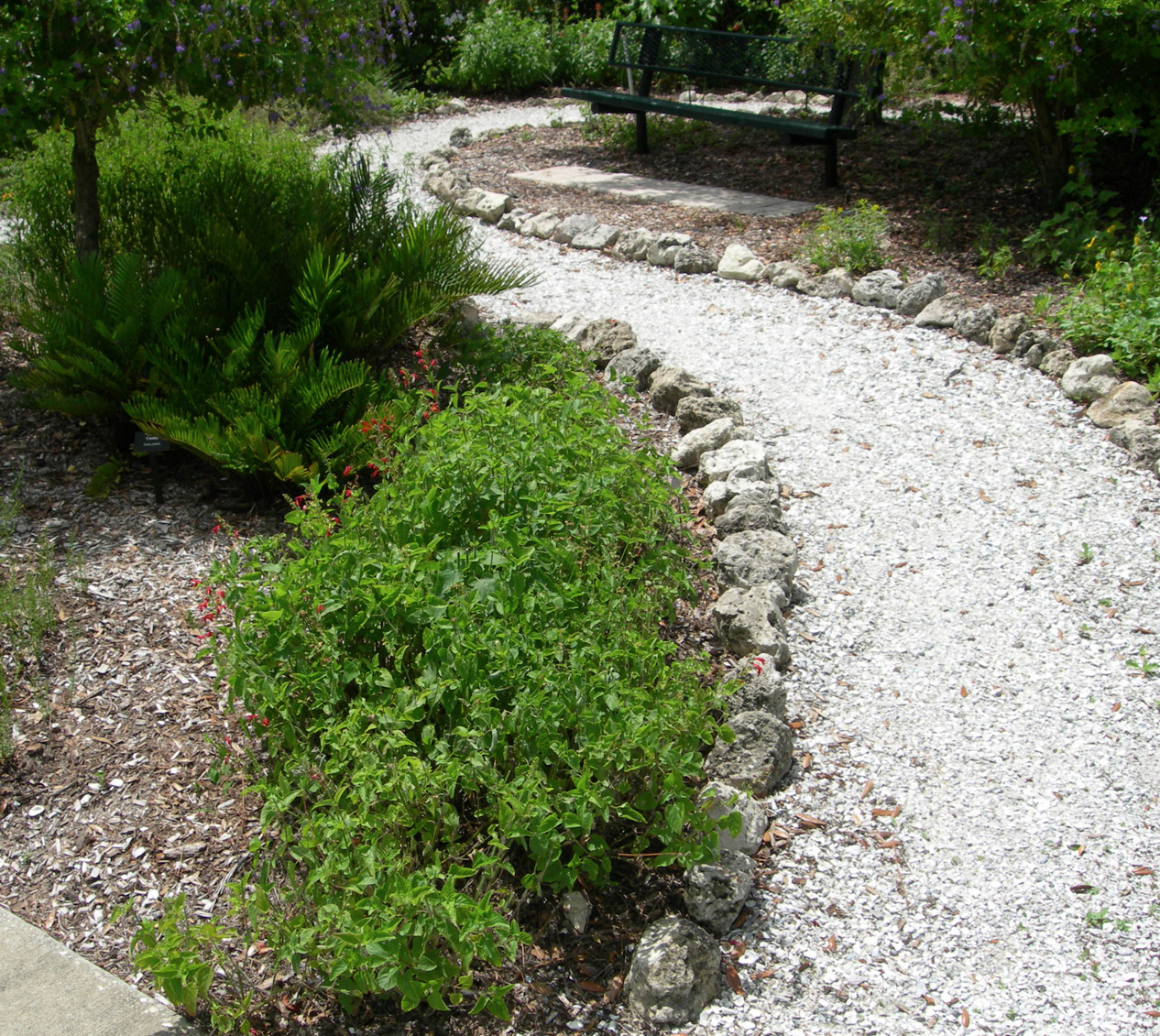
A garden setting with a gravel walkway and bench seating area. Landscape beds with shrubs and flowers border the walkway.

Pervious Driveways

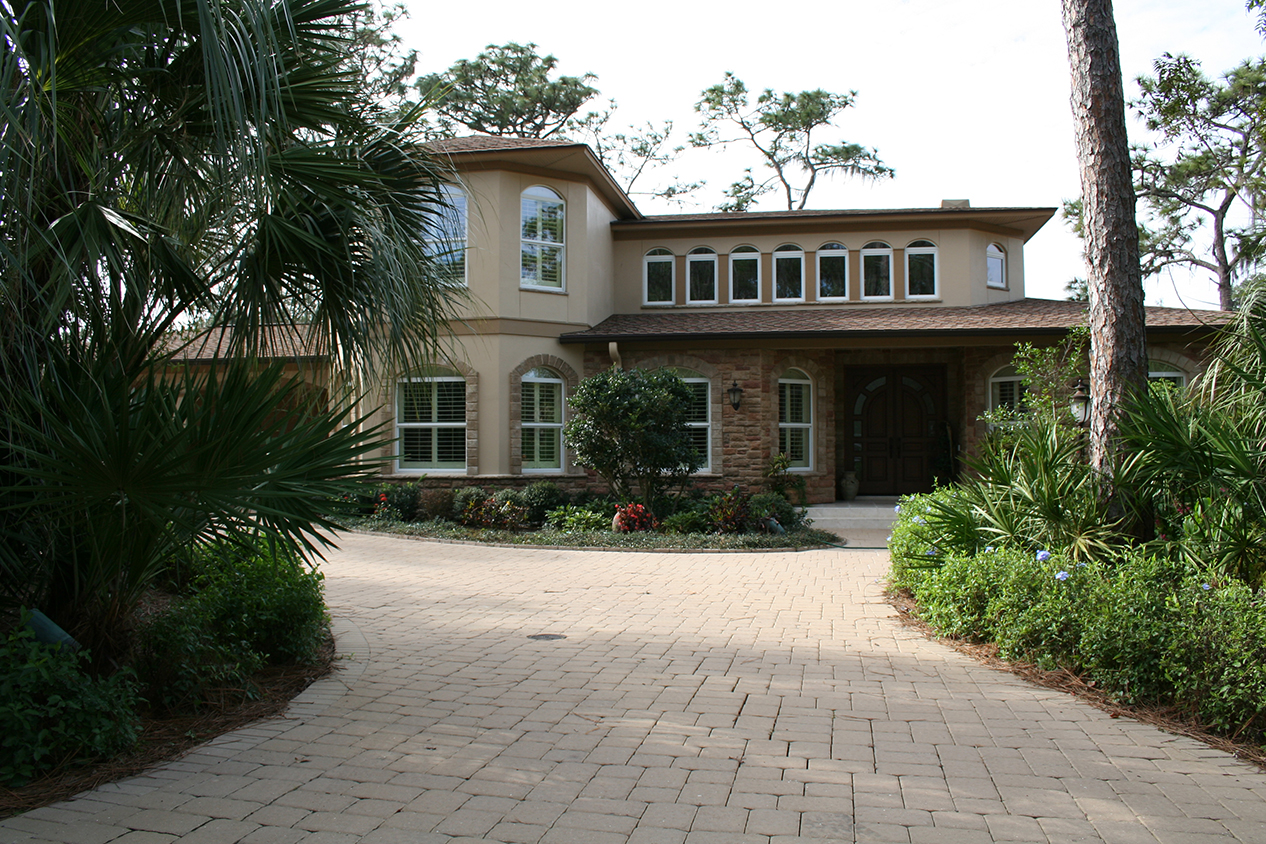
A home landscape featuring a house, a pervious driveway, and landscape beds with trees, shrubs, and groundcovers.

A pavement-free driveway surrounded by trees and large shrubs leading to a house.

Alternative Verge Planting

(Area between road and sidewalk)

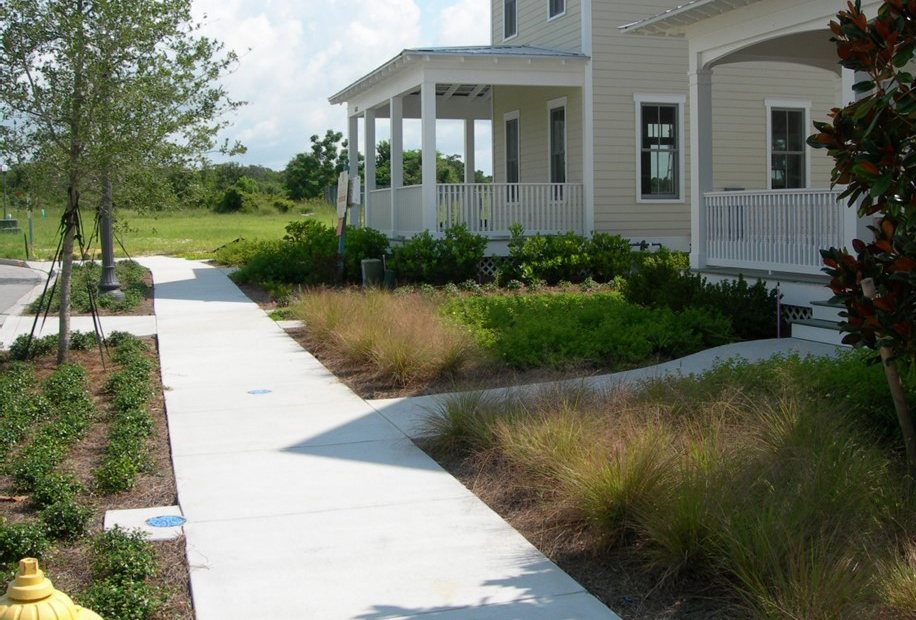
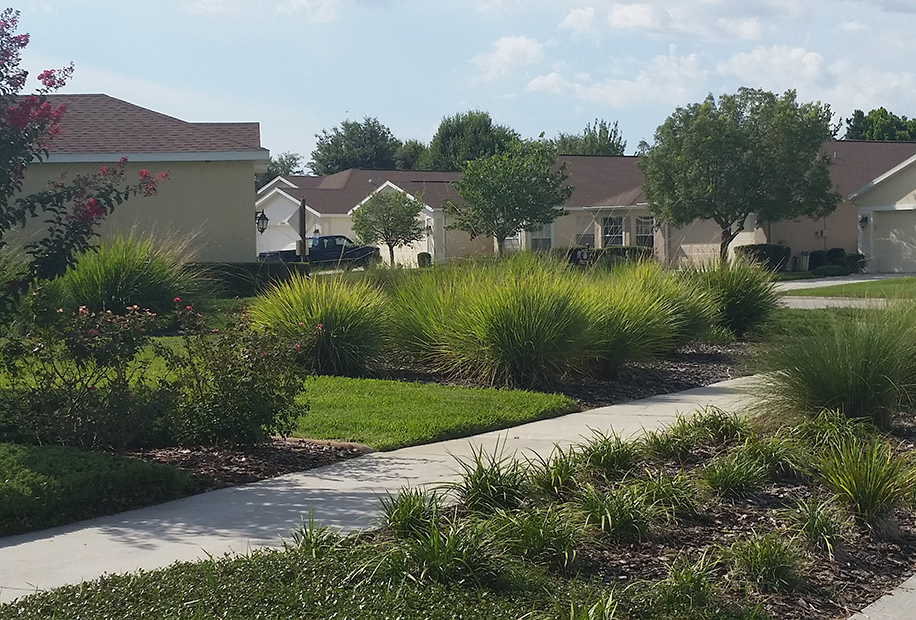
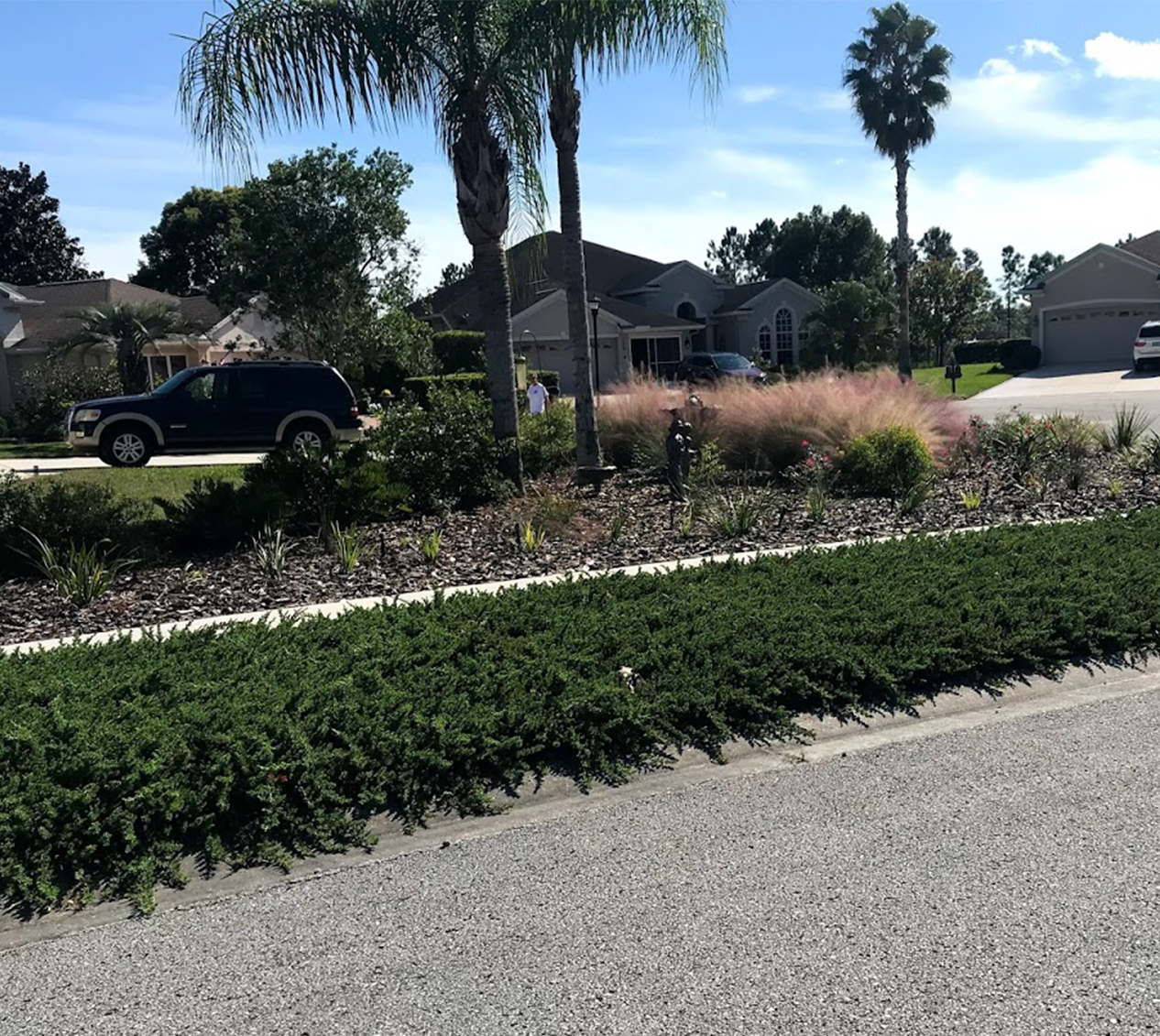
Houses in a community setting next to a sidewalk. Landscape beds are planted with trees, grasses and groundcovers.

Houses in a community setting next to a sidewalk. Landscape beds are planted with trees, grasses and groundcovers.

Houses in a community setting next to a sidewalk. Landscape beds are planted with trees, grasses and groundcovers.

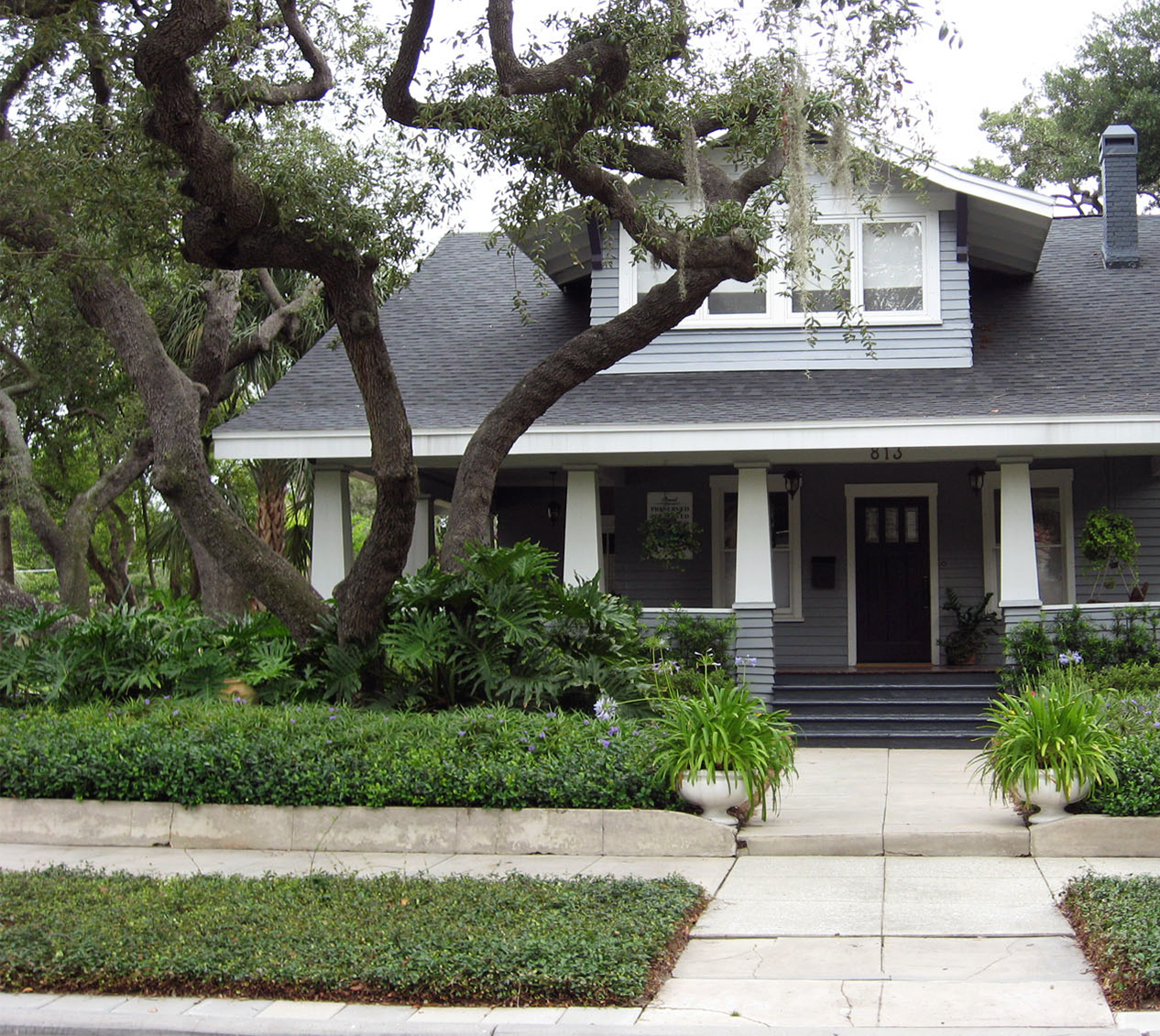
A house with large oak trees and densly-planted landscape beds in front of the house. A sidewalk is leading up to the house.

No Sidewalk / No Curb
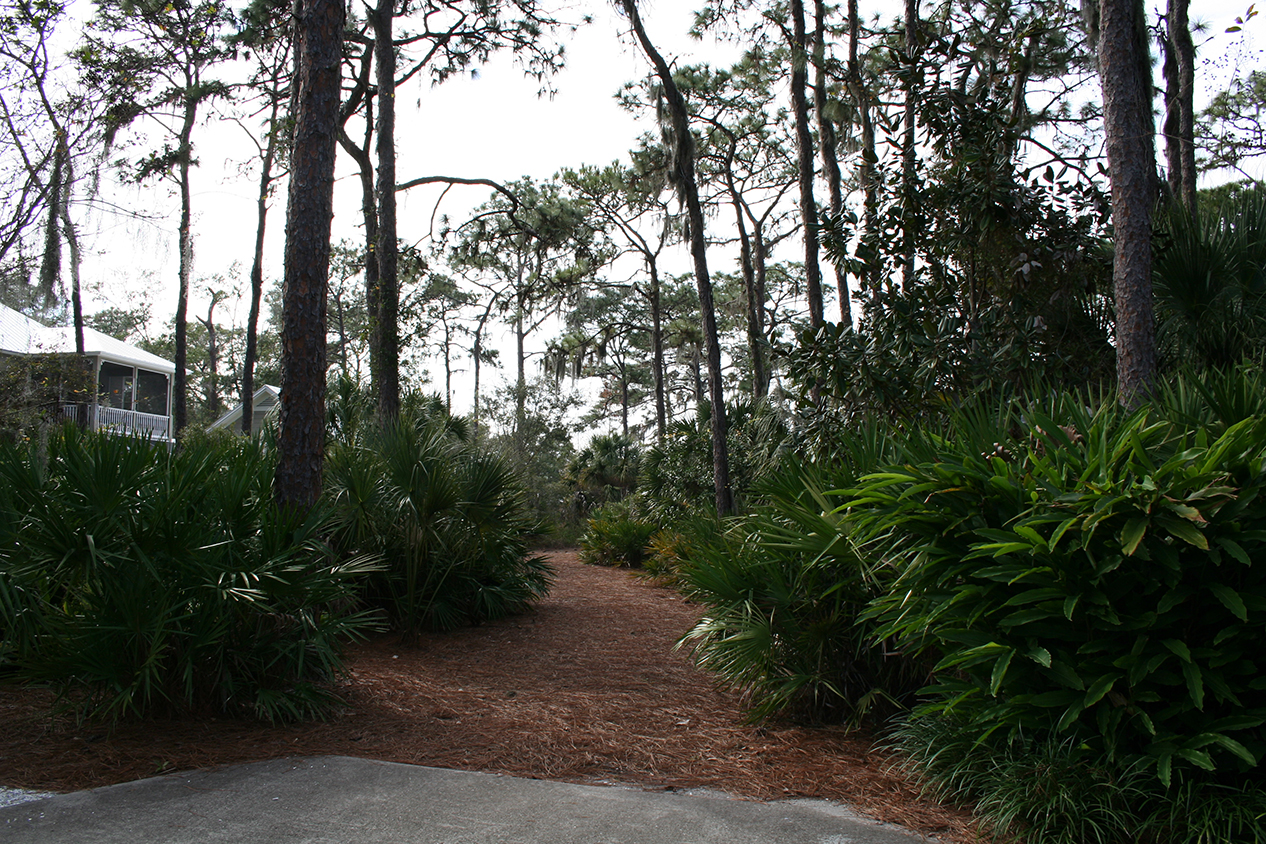
Landscape bed in front of a house and fence planted with trees, grasses, and flowering groundcovers

The median of a paved road with no curb, planted with palms, ornamental grasses and tall flowering plants as well as turf.

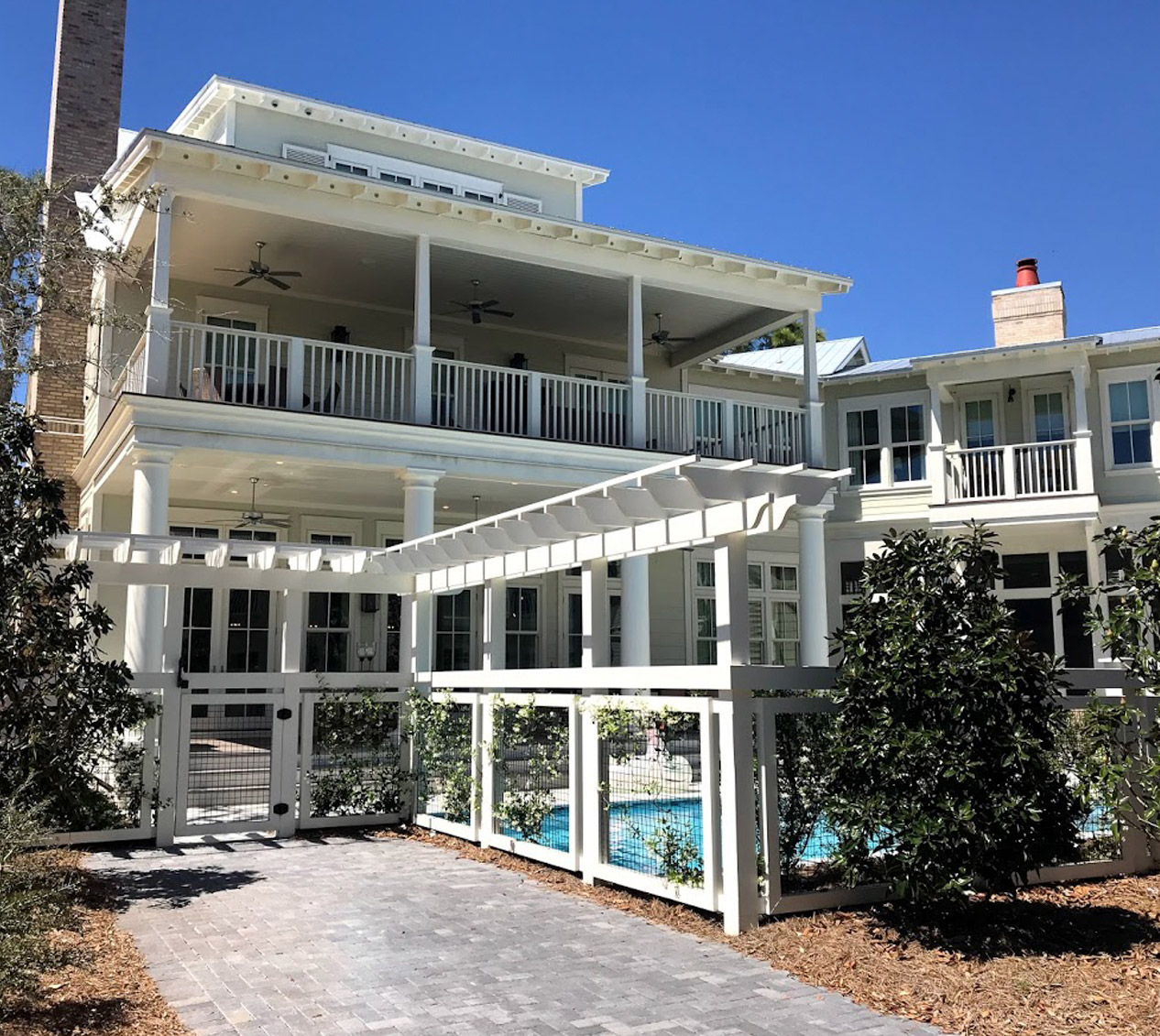
Large two-story home with a pergola and permeable paver driveway, illustrating the Florida-Friendly Landscaping™ principle “Reduce Stormwater Runoff.”

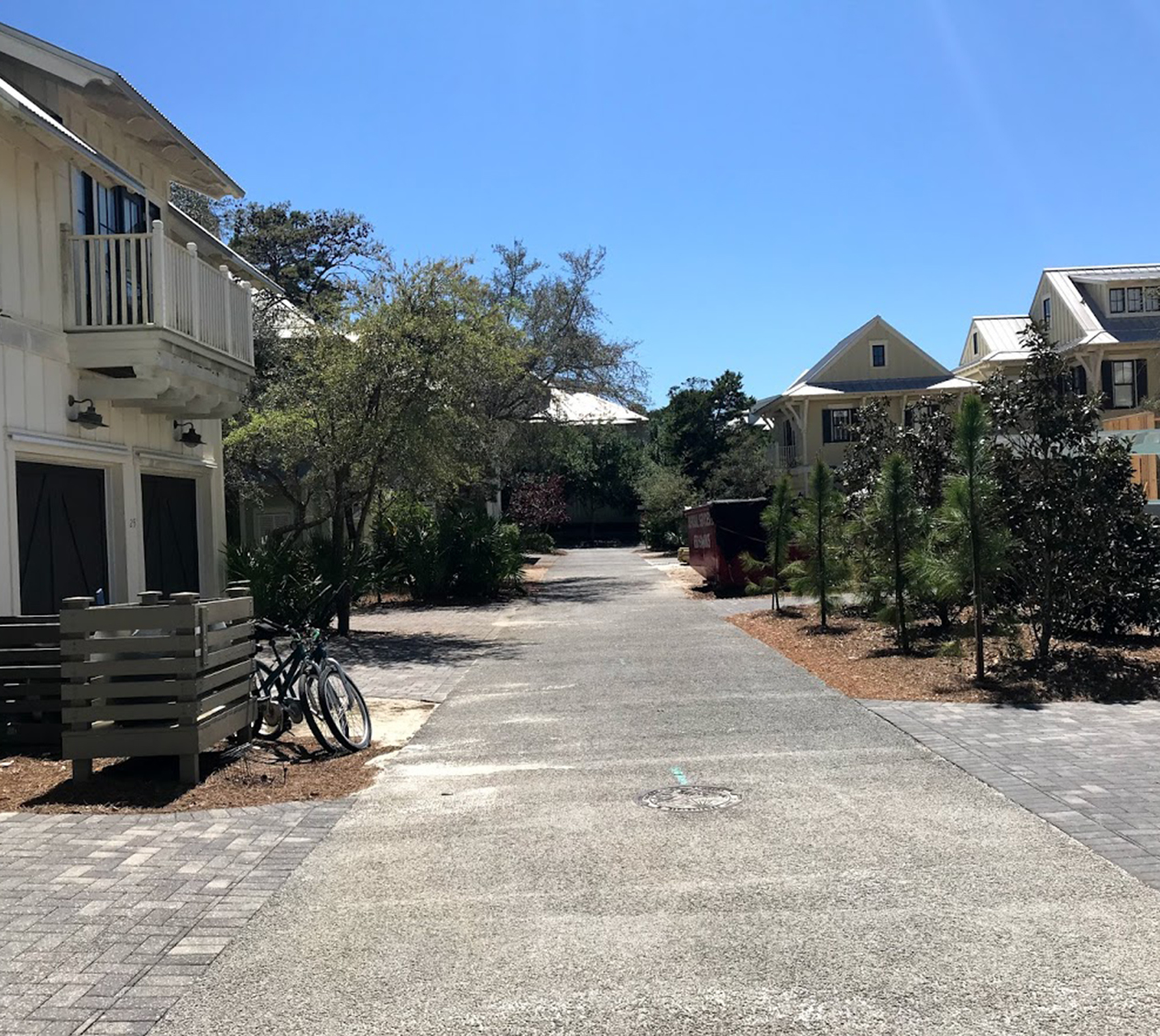
Narrower residential lanes with reduced pavement and adjacent planting beds allow more rainwater to soak into the soil instead of running off into storm drains. This design supports the Florida-Friendly Landscaping™ principle Reduce Stormwater Runoff by minimizing impervious surface area.